

CELEBRATING EVERY AGE, WITH EXPERT CARE FOR YOUR CHANGING HAIR.
Beauty exists in every stage of a woman’s life. As we move through the years, our experiences shape our confidence, our individuality, and how we choose to express ourselves.
Our hair is part of that story, evolving in colour, texture and density. Understanding its changing needs helps us care for it and enjoy it our way. Whether we embrace silver strands, try a new style or keep a look we’ve always loved, beauty has no age limit.
Understanding the changes
Hair changes follow no fixed timetable. For some women, thinning becomes more noticeable during perimenopause, when hormones fluctuate and periods may become irregular. Menopause usually occurs between 45 and 55 and is reached after 12 consecutive months without a period, when there is no other explanation.
Female pattern hair loss becomes more common after menopause. Genetics and hormonal changes can contribute to miniaturisation, where affected follicles produce progressively finer, shorter hairs. Signs include a wider parting, less fullness at the crown or a thinner ponytail, even without unusually high androgen levels.
Other causes of increased shedding include illness, significant stress, and nutritional deficiencies. Assess sudden, patchy, or persistent hair loss rather than attributing it to age. Your GP can investigate and discuss treatment or referral to a trichologist or dermatologist for further assessment. For female pattern hair loss, topical minoxidil may help slow progression and improve growth in some women.
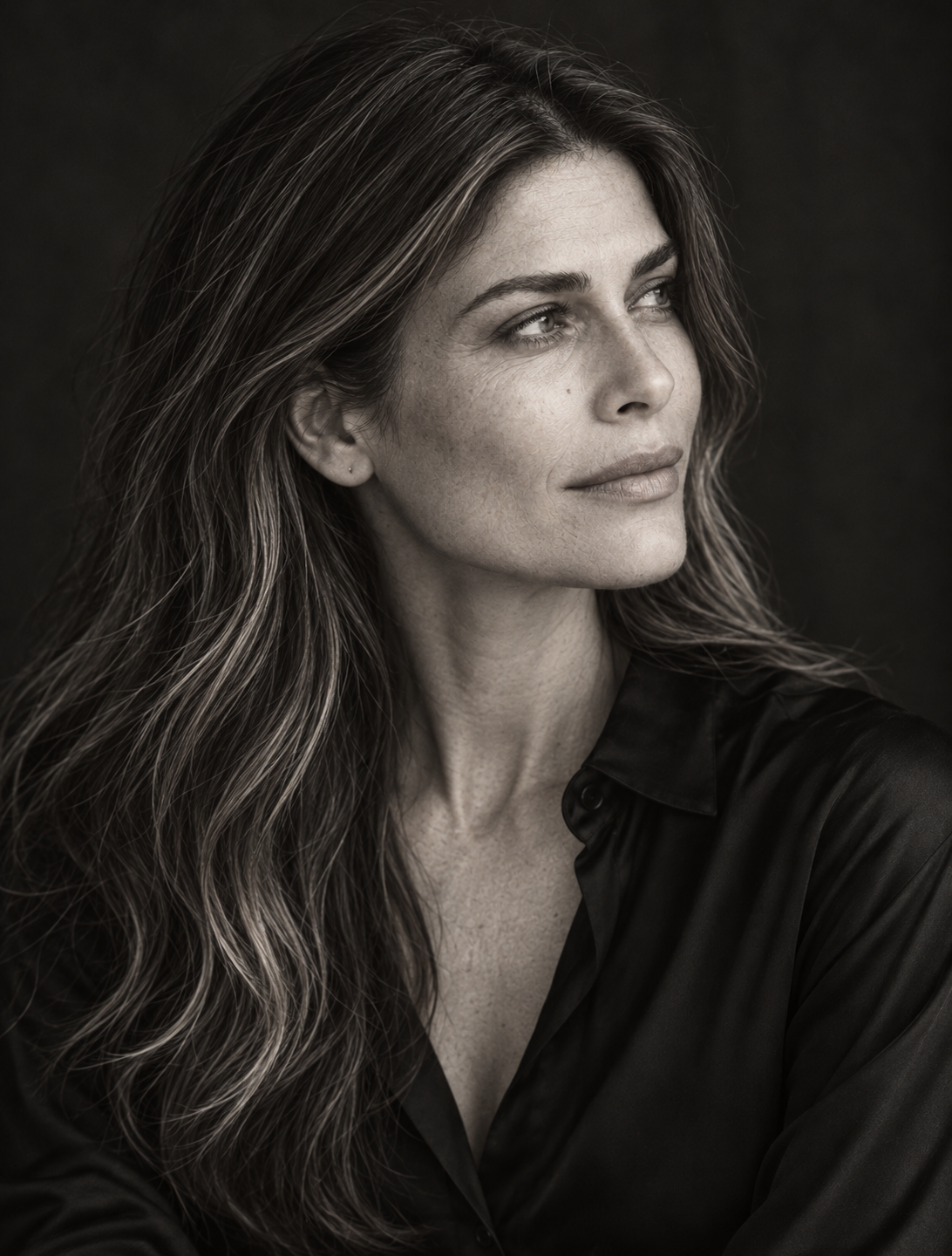
The beauty of silver
Hair gets its colour from melanin, a pigment produced within the follicle. As pigment-producing cells become less active, new hairs grow with less colour or none at all. The mix of pigmented and unpigmented strands creates the shades we recognise as grey and silver. Genetics largely determine when this begins, though some health conditions and deficiencies can contribute to earlier greying.
Grey hair may feel different, but it isn’t always coarse or wiry. Choose products according to your hair’s needs: dry lengths may benefit from richer conditioning, while finer hair may suit lighter formulas.
Whether you embrace silver, blend your greys, or keep colouring, there is no right choice but the one that feels good for you.
Care that evolves with you
Dietary protein provides the amino acids used to make keratin, hair’s main structural protein. Include sources such as eggs, fish, lean meat, dairy, beans, lentils or tofu. Too little protein or iron can contribute to hair loss.
Vitamin B12 also deserves attention. Deficiency has been linked to premature greying, and correcting it may sometimes restore pigment in new growth. This is not guaranteed and does not reverse normal age-related greying. Sources include meat, fish, eggs, dairy and fortified foods; vegans need a reliable source through fortified foods or supplements. If you suspect a deficiency, your GP can arrange testing and advise.
A little care for your scalp
Menopause-related changes can leave your scalp drier or more sensitive, so a gentler care routine may help. Choose a mild shampoo and condition the lengths to maintain softness and manageability. Limit excessive heat and avoid styles that pull tightly to reduce damage.
If thinning leaves areas of your scalp more exposed to the sun, protect them with a hat or suitable broad-spectrum sunscreen. If you have persistent itching, burning, or flaking, it's worth seeking advice, as your scalp may need more targeted care.
Style on your terms
The idea that women should cut their hair after a certain birthday is outdated. Long or short, natural or coloured, your hairstyle is an expression of who you are.
Your preferences may evolve, and your routine can adapt to your hair’s changing needs. A trusted hairdresser can help you find a cut that works with its texture, fullness, and how much time you want to spend styling it.
Embracing this stage of life leaves room for every choice: welcoming silver strands, seeking help with thinning or trying something entirely new. Your hair should feel like yours, at every age.


© 2026 The Hair Consultancy